
Otoplasty
Otoplasty reshapes the ears, most often to set prominent ones closer to the head and bring their size and position into balance with the face. Incisions sit behind the ear or in its natural creases, and the surgery usually takes one to two hours under general anesthesia, or local anesthesia with sedation.
Book a consultationWhat is
Otoplasty?
Otoplasty, also known as ear surgery, improves the shape, size, or position of the ears. Many patients choose ear surgery because their ears stick out more than they would like, while others may have concerns related to an injury or a condition they were born with.
There is no one approach that works for everyone. Dr. Mafi will choose the technique that best fits the shape, size, and position of your ears, creating a plan specifically for you.
Incisions are usually made behind the ear or within the natural folds of the ear, helping keep any scars hidden. During surgery, Dr. Mafi may remove or reshape some of the cartilage and skin to create the desired shape and bring the ears closer to the head. Stitches are then used to hold the ear in its new position. The incisions are closed with stitches that may dissolve on their own or be removed during a follow-up visit.
Otoplasty typically takes one to two hours and is performed under general anesthesia or local anesthesia with sedation. Surgery is usually performed on both ears to create a balanced, natural-looking result.
Once the bandages come off, the change in the shape and position of your ears is visible right away.
Incisions are made behind the ear or within its natural creases, so what scarring there is stays hidden.
Otoplasty is typically performed on both ears rather than one, so the two match and the result sits naturally with the rest of the face.
Your ears are bandaged for protection after surgery. Mild discomfort and itching are common, and pain medication is provided. For a few weeks afterward you wear a loose-fitting headband at night and avoid sleeping on your side, which keeps pressure and movement off the healing ears.
Results are generally long-lasting. If you are not satisfied with the outcome, revision surgery may be an option to refine it.
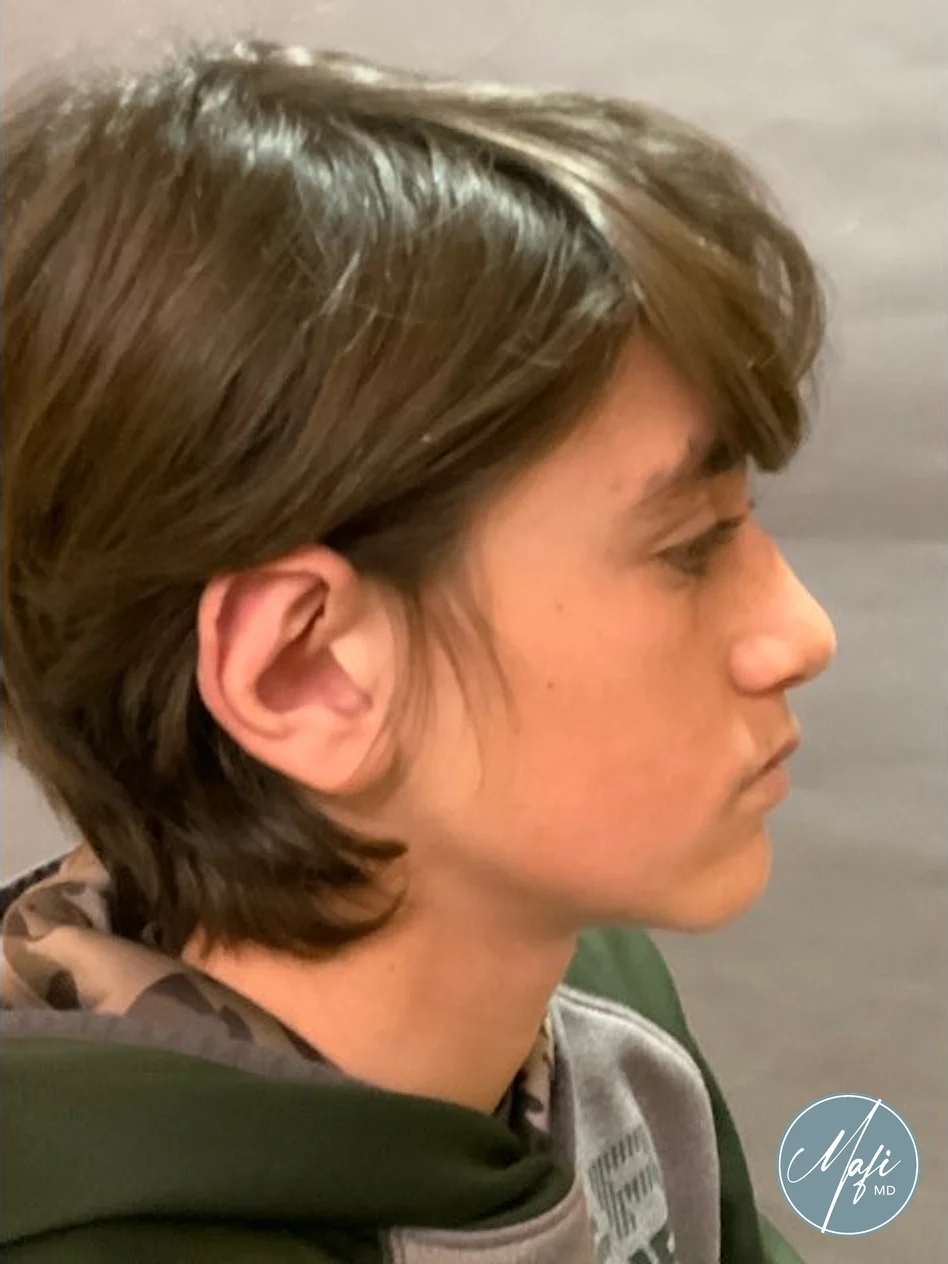
Am I a candidate for otoplasty?
The ears are a small feature. Setting them back rebalances the whole face.
Otoplasty is planned around your own ears, so it begins with an examination and a conversation about what bothers you. It may be worth discussing if:
Prominent Ears
Ears that protrude too far from the head.
Ears Out of Proportion
Ears that are disproportionate in size compared to the head.
Change After an Injury
Ear shape or position altered by trauma.
A Condition Present From Birth
Congenital differences in how an ear is shaped or set.
An Earlier Ear Surgery
A previous ear surgery that did not give you the result you wanted.
Facial Balance
A wish to bring the ears into proportion with the rest of the face.
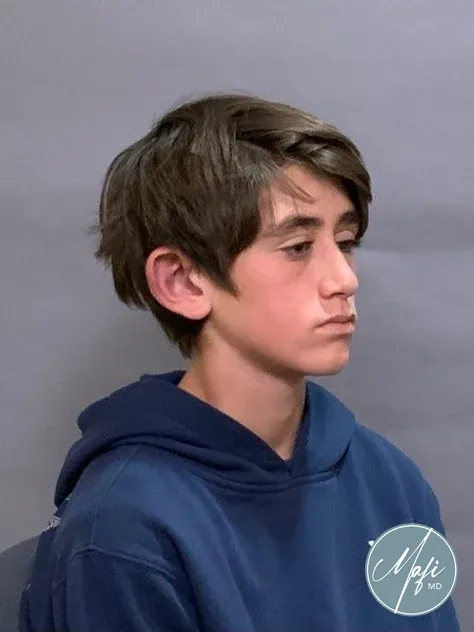
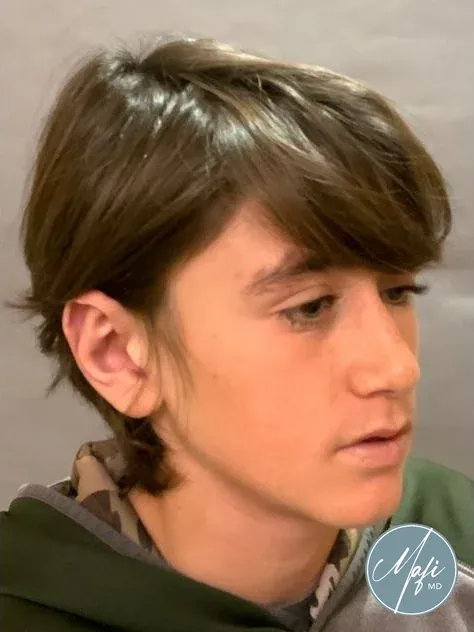
Ears that sitwhere they should.
Each case below is one patient of Dr. Mafi, photographed before surgery and after healing. Drag the seam to compare. The change is visible immediately once the dressings come off, and it does not fade.
See the full galleryIndividual results vary. These are patients of Dr. Mafi, photographed at Mafi Plastic Surgery, and published with their permission. They are not a guarantee of your own outcome.
Common questions about otoplasty
Not during the surgery itself: otoplasty is performed under general anesthesia or local anesthesia with sedation, so you or your child are comfortable throughout. Afterward, some soreness, itching, and a feeling of tightness around the ears are normal for the first days, and they are managed with the pain medication you are prescribed. Children generally tolerate the recovery well. The protective bandages, and later the loose headband worn at night, are there to keep pressure off the ears while they heal rather than because the ears stay painful.
Is otoplasty painful?
Not during the surgery itself: otoplasty is performed under general anesthesia or local anesthesia with sedation, so you or your child are comfortable throughout. Afterward, some soreness, itching, and a feeling of tightness around the ears are normal for the first days, and they are managed with the pain medication you are prescribed. Children generally tolerate the recovery well. The protective bandages, and later the loose headband worn at night, are there to keep pressure off the ears while they heal rather than because the ears stay painful.
Ears That
Sit Back
If your ears have bothered you for years, or you are asking on behalf of your child, a consultation with Dr. Mafi is the place to find out what otoplasty would involve for you.
Prefer to talk? Call (559) 890-6500.
Medically reviewed by Parham Mafi, M.D., F.A.C.S., board-certified plastic surgeon at Mafi Plastic Surgery. This page is for education and is not a substitute for a personalized medical consultation.
Last medically reviewed August 2026Updated